Olga Grishchenko, CEO and Co-Founder of the international consulting firm ODBT Strategic Consulting, participated in the Global Nobel Laureates Assembly on artificial intelligence and nuclear threats, held in the Vatican and Rome from 14 to 16 July 2026.
The Assembly brought together more than 200 representatives of the international scientific, technological, public policy, and political communities, including Nobel laureates, former heads of state and government, leaders of research institutions, and prominent experts in artificial intelligence. The main sessions took place at Borgo Laudato Si’ in the Pontifical Gardens of Castel Gandolfo, while the closing ceremony was held at Rome’s Capitoline Hill.

As part of the Assembly, Olga Grishchenko led one of the working groups responsible for developing recommendations on the responsible advancement of artificial intelligence, international technological cooperation, and the preservation of meaningful human control over critical systems.
The findings and recommendations produced by the expert working groups contributed to the Assembly’s final document, the Rome Declaration, “Humanity at the Threshold: A Declaration on Artificial Intelligence and Nuclear Weapons.” The Declaration was adopted by the Assembly participants and presented at the Capitoline Hill in Rome on 16 July 2026.
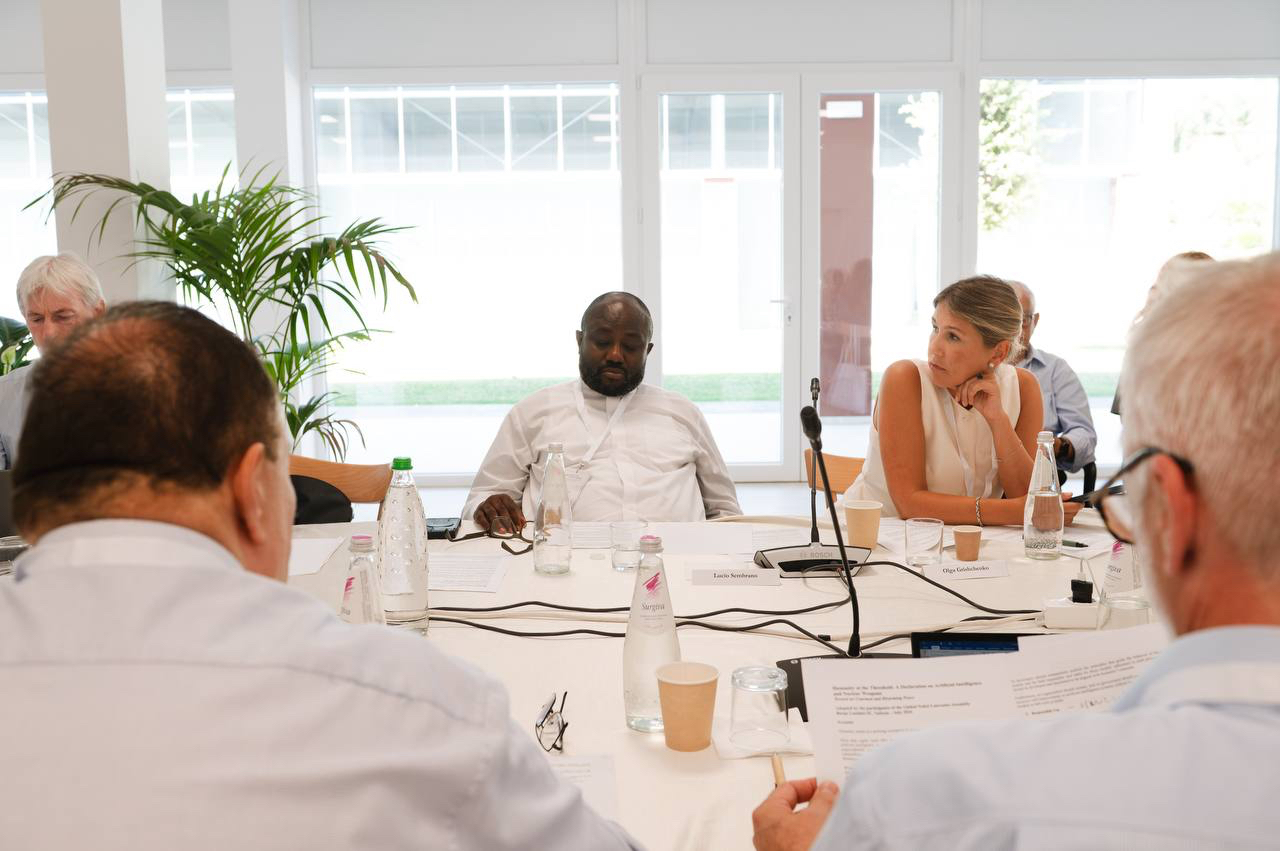
The document calls on the international community to prevent a new arms race driven by artificial intelligence, ensure that technology developers remain accountable to society, and preserve human control over systems capable of affecting global security. The Declaration places particular emphasis on the principle that the final decision regarding the use of nuclear weapons must never be delegated to artificial intelligence.
Olga Grishchenko also delivered an address at the opening of the Assembly’s second day, presenting key perspectives on the future development of artificial intelligence and its impact on economies, businesses, and public institutions.

In her remarks, she emphasized that AI is no longer merely a supporting instrument and is increasingly becoming an active participant in management, analysis, and decision-making processes. Against this background, one of the central priorities for the coming years must be the development of international frameworks that support innovation while ensuring algorithmic transparency and protecting human dignity.
The key points of her address included:
- the development of artificial intelligence must be accompanied by clear accountability mechanisms for technology developers and operators;
- humans must retain the authority to make final decisions in matters affecting life, security, and fundamental rights;
- access to advanced technologies and computing resources must not become a source of new global inequality;
- businesses must move beyond formal compliance and establish practical systems for the ethical and corporate governance of AI;
- international cooperation on artificial intelligence should be based not on technological confrontation, but on trust, security, and the common good.
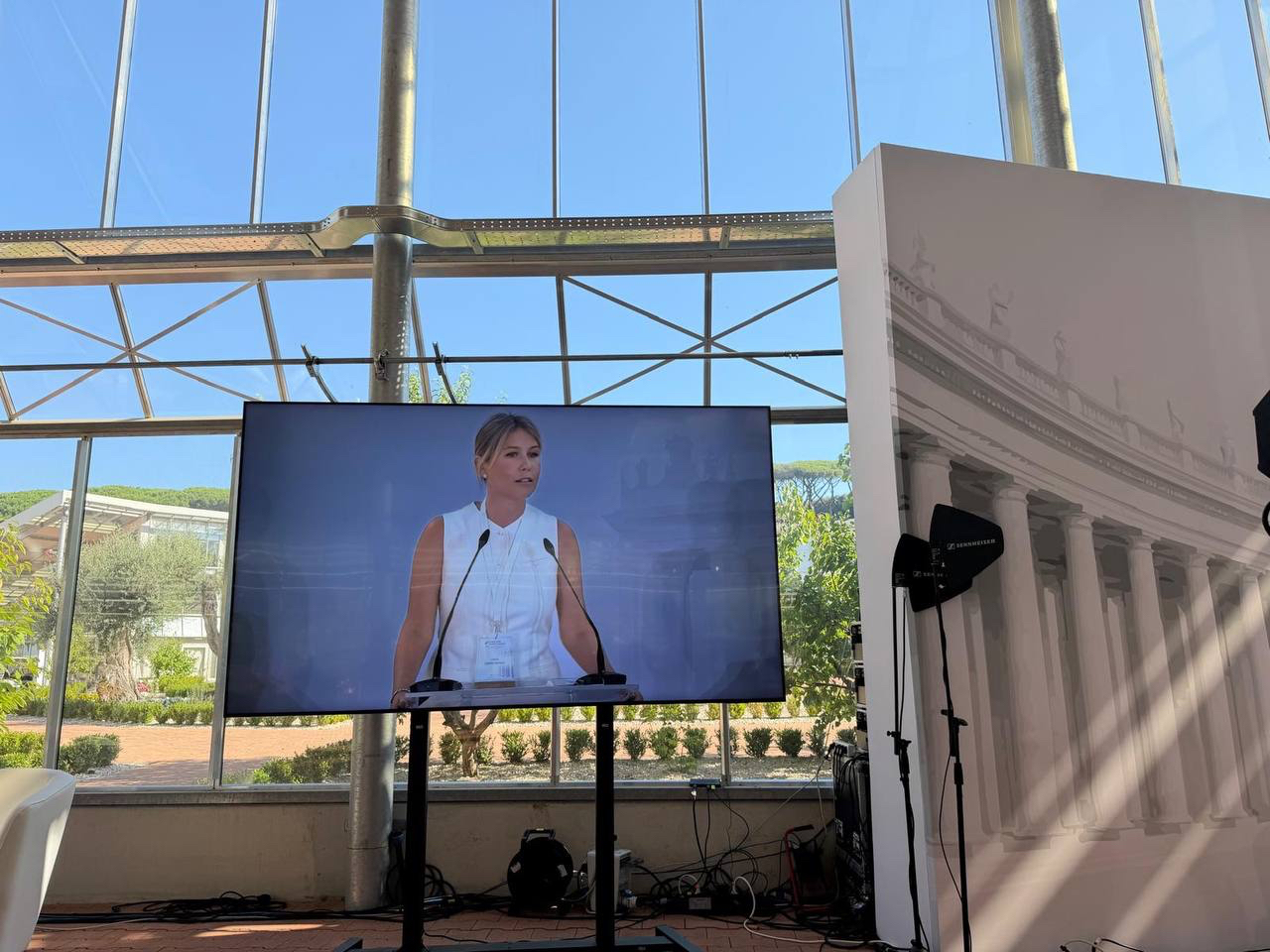
“The question today is no longer whether artificial intelligence will become part of the global governance system. This is already happening. The central question is which values, limitations, and accountability mechanisms will be embedded in that system. Technological progress must strengthen human freedom, security, and dignity rather than replace them,” said Olga Grishchenko.
Olga Grishchenko’s participation in the Assembly continues ODBT Strategic Consulting international work at the intersection of technology, investment strategy, and the responsible implementation of innovation.